How to Smooth Textured Skin: Products + Routine Guide
Textured skin often feels like a conversation between your barrier and your environment. It is not merely about surface bumps or rough patches; it is a signal t
Transparency note — This post contains affiliate links. If you buy through them, the gloss haus may earn a commission at no extra cost to you. We only feature products we'd use on our own skin.
Textured skin often feels like a conversation between your barrier and your environment. It is not merely about surface bumps or rough patches; it is a signal that the cellular turnover cycle is lagging, or that hydration levels are fluctuating beneath the epidermis. When dead skin cells accumulate, they create a physical barrier that prevents actives from penetrating effectively. This accumulation also reflects light unevenly, creating a shadow effect that makes pores look larger and the complexion appear dull.
To address this, we must look beyond simple scrubbing. The goal is to encourage healthy shedding while reinforcing the lipid barrier that holds moisture in. You need a regimen that combines chemical exfoliation to dissolve bonds between cells, hydration to plump the skin, and mechanical tools to encourage circulation. Consistency is the only variable you can truly control, but the ingredients you choose dictate the speed of your results. We are building a system here, not just adding another bottle to the shelf.
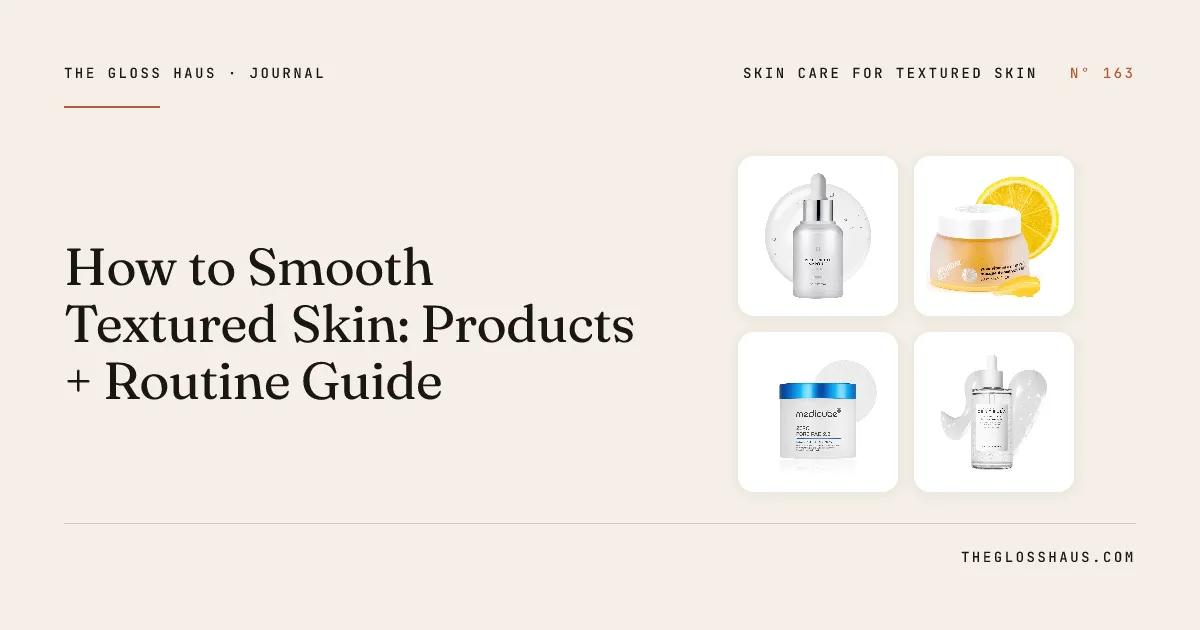
1. Daily Exfoliation — Medicube Zero Pore Pads 2.0
The foundation of smoothing textured skin lies in consistent chemical exfoliation. These dual-sided pads offer a balanced approach by combining 4.5% AHA lactic acid with 0.45% BHA salicylic acid. Lactic acid is water-soluble, meaning it works primarily on the surface to dissolve the glue holding dead skin cells together. Salicylic acid is oil-soluble, allowing it to penetrate the sebum inside the pore lining to clear out congestion that creates bumps.
Use one pad every other night after cleansing. The textured side is designed to gently buff the skin while the smooth side applies the solution evenly. Do not rinse this off; allow the acids to work while you sleep. Follow immediately with a hydrating serum to prevent over-drying.
Best for: Beginners looking for a gentle, dual-action exfoliant.
2. Weekly Deep Treatment — Dermalogica Multivitamin Thermafoliant
Once a week, you can escalate the effort with a more intensive treatment. This exfoliator utilizes salicylic acid and retinol to accelerate cell turnover at a deeper level than daily toners. The heat generated by the product activates the active ingredients, which can help open up the pores temporarily to release trapped debris. It is crucial to follow this with soothing ingredients, as retinol can be sensitizing on its own.
Apply a thin layer to dry skin and massage gently for one minute before rinsing with lukewarm water. Use this step only in the evening to avoid sun sensitivity. Avoid using other strong actives like Vitamin C on the same night to prevent irritation.
Best for: Weekly deep-cleaning and anti-aging benefits.
3. Hydration Layer — Hyaluronic Acid Serum for Face
Exfoliation without hydration is counterproductive. When you remove the top layer of skin, you expose the dermis to moisture loss. This serum contains collagen and hyaluronic acid, which acts as a humectant to draw water from the air into the skin cells. Plumping the skin with water helps to smooth out the appearance of fine lines and micro-texture irregularities.
Apply this to damp skin immediately after cleansing or toning. You need to lock this moisture in with a heavier occlusive agent or oil, or the water will evaporate. A few drops are sufficient for the entire face and neck.
Best for: Plumping fine lines and restoring moisture balance.
4. Soothing Support — SKIN1004 Madagascar Centella Tone Brightening Capsule Ampoule
After exfoliating and hydrating, the skin often requires a calming agent to reduce potential redness. Centella Asiatica is known for its high concentration of asiaticoside, which accelerates wound healing and reduces inflammation. This step ensures that your barrier remains intact while you are actively changing the skin’s surface. It also helps brighten the tone without the harshness of direct bleaching agents.
Apply this ampoule after your hydrating serum but before your oil. It absorbs quickly and does not interfere with subsequent layers. You can layer this morning and night for consistent barrier support.
Best for: Calming irritation and brightening dullness.
5. Advanced Repair — Medicube PDRN PINK EXOSOME SHOT SERUM
For those seeking deeper cellular regeneration, this serum introduces PDRN and exosomes. These components are derived from salmon DNA and are designed to signal the skin to repair itself from the inside out. They help strengthen the skin’s structural proteins, which can reduce the roughness associated with long-term damage. This is a potent step that complements the exfoliation by ensuring new skin is healthy.
Apply this in the evening before your moisturizer. It pairs well with the Centella ampoule for a two-step repair process. Avoid mixing with direct acids on the same night to prevent degradation of the PDRN.
Best for: Cellular repair and long-term texture improvement.
6. Sealing Moisture — Bubble Skincare Float On Soothing Face Oil
Water-based products evaporate, but oils stay. This lightweight facial oil utilizes safflower oil and prickly pear to mimic the skin’s natural sebum composition. By applying this last in your skincare layering, you create a seal that prevents transepidermal water loss. It is essential for textured skin because dehydration often exacerbates bumps and makes the skin feel rough.
Warm a few drops between your palms and press gently into the face. Do not rub aggressively, as this can disturb the product layers underneath. It can be mixed with your moisturizer for a lighter texture.
Best for: Locking in hydration and softening rough patches.
7. Barrier Protection — Nivea Intensive Moist Milk Spf15
Sun exposure accelerates texture issues by thickening the skin and causing uneven pigmentation. This milk provides a moisturizing base with SPF 15 protection. While higher SPF is often preferred for full protection, this product serves as a reliable daily shield that does not pill under makeup. It keeps the barrier hydrated, which is critical when you are using active ingredients like acids.
Apply this as the final step in your morning routine. Ensure you cover all exposed areas, including the neck and ears. Reapply every two hours if you are spending significant time outdoors.
Best for: Daily hydration and sun protection.
8. Mechanical Smoothing — Face Sculptor & Massager – Textured Silicone Massager
Sometimes the skin needs physical assistance to move product deeper. This textured silicone device helps massage the face while applying serums. The texture provides a gentle grip that helps lift the skin and encourage lymphatic drainage. It can help reduce puffiness that often accompanies textured skin, making the surface appear smoother visually.
Use this on cleansed skin with a thin layer of oil or serum. Move in upward strokes along the jawline and cheekbones. Clean the device thoroughly after every use to prevent bacterial buildup.
Best for: Enhancing product absorption and reducing puffiness.
9. Lymphatic Drainage — Gua Sha Facial Tools & Face Roller Set
Stainless steel tools offer a different temperature sensation compared to jade or stone. The metal stays cool longer, which helps constrict blood vessels and reduce inflammation. The textured design provides better grip during manipulation, allowing you to apply consistent pressure without slipping. This step helps move fluid buildup that can make the face look swollen and uneven.
Use this tool after applying your face oil to ensure glide. Scrape upwards from the center of the face towards the ears. Use light pressure; the tool should never pinch the skin.
Best for: Cooling sensation and lymphatic drainage.
10. Application Precision — ÉCLAT 100% Pure Pocket Cotton Pads
The tool you use to apply your toners matters significantly. These pads are lint-free and hypoallergenic, ensuring no fibers are left behind to clog pores. They are durable enough to withstand the friction of exfoliating pads without tearing. Using a high-quality pad ensures that the product is pressed into the skin rather than wiped away.
Soak the pad with your toner and press it onto the face. This method is gentler than using your hands, which may introduce bacteria. Dispose of them after each use for hygiene.
Best for: Clean, lint-free application of liquids.
More Routines

How to Get Glowing Body Skin From Neck to Toes
Achieving a translucent, glass-like finish on the body requires more than just applying lotion after a shower. It demands a strategic approach to barrier functi
Read routine
Clear Skin at Home: Natural Tips That Actually Deliver
Achieving glass skin is less about masking imperfections and more about engineering a barrier that reflects light. True clarity comes from understanding the bio
Read routine
12 Skincare Tips for Glowing Skin (From Derms + Editors)
Achieving that coveted translucent finish often feels like chasing a myth. We see images of dewy complexions and assume it is purely a result of heavy highlight
Read routine