Skincare for Hyperpigmentation + Acne: Treat Both at Once
Treating acne while simultaneously addressing hyperpigmentation requires a delicate balance of science and patience. Many people assume that clearing breakouts
Transparency note — This post contains affiliate links. If you buy through them, the gloss haus may earn a commission at no extra cost to you. We only feature products we'd use on our own skin.
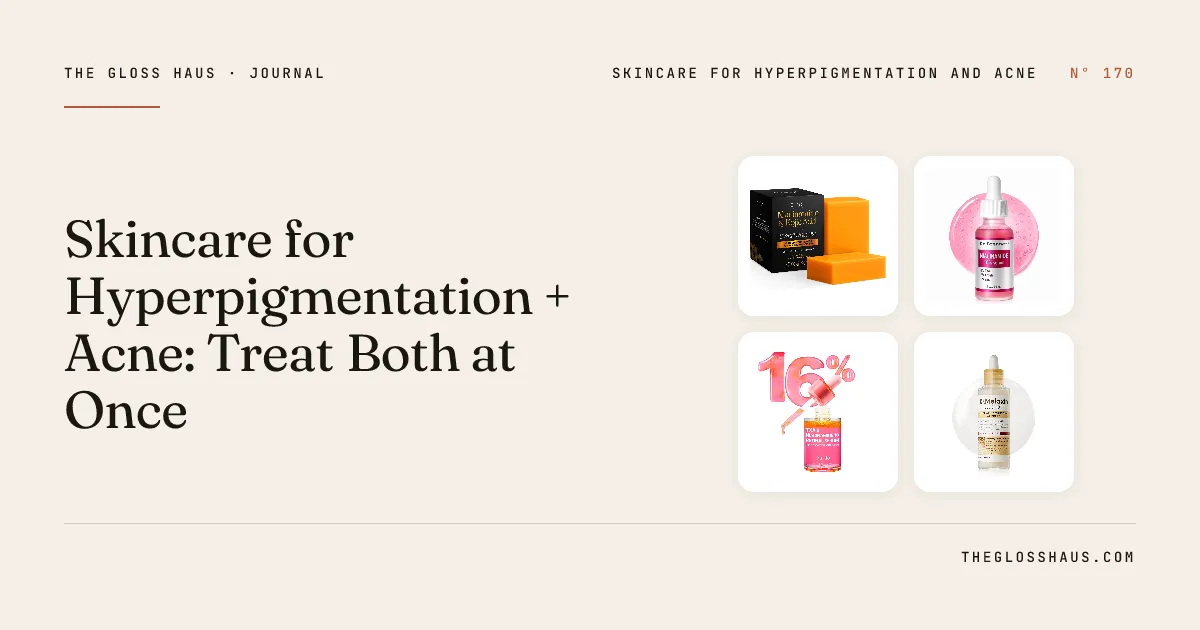
Treating acne while simultaneously addressing hyperpigmentation requires a delicate balance of science and patience. Many people assume that clearing breakouts and fading dark spots are separate battles, but inflammation is the common thread connecting both concerns. When the skin becomes inflamed due to a breakout, it triggers melanocytes to produce excess pigment. This results in post-inflammatory hyperpigmentation (PIH), the stubborn brown marks that linger long after a pimple has healed. Ignoring the pigment while focusing solely on the active acne often leads to a cycle where clear skin remains marred by discoloration.
The strategy for face tips skincare acne clear skin involves a multi-layered approach that calms inflammation, inhibits pigment production, and accelerates cell turnover without compromising the moisture barrier. Using harsh actives simultaneously can cause irritation, which paradoxically worsens both breakouts and dark spots. We must prioritize ingredients that perform dual functions, such as niacinamide or azelaic acid, which control oil production while brightening the complexion. This method ensures that every product in your regimen works synergistically to restore an even tone and a smooth texture.
For those managing dry sensitive acne prone skin skincare, hydration is non-negotiable. A compromised barrier allows more bacteria to penetrate, leading to further breakouts and slower healing. The following routine prioritizes gentle exfoliation and targeted treatment over aggressive scrubbing. We will walk through a step-by-step process designed to fade marks and prevent future lesions. Whether you are looking to refine your makeup tutorial for acne prone skin routine or simply want to achieve a bare-faced glow, these steps build a foundation of healthy, resilient skin.
1. Cleanse — Anua 3-Step Glass Skin Beginner Set
Start your routine by ensuring your skin is free of impurities that could clog pores or trap bacteria. The Anua set utilizes a double cleansing method, which is essential for removing sunscreen, makeup, and excess sebum. The oil cleanser dissolves lipid-soluble debris, while the water-based wash clears water-soluble dirt. This set includes Niacinamide in the cleanser formula, which helps soothe the skin immediately upon contact.
Using this kit prevents the friction caused by rubbing the face vigorously with a single wash. It prepares the canvas for the stronger actives that follow in your routine. Apply the oil cleanser to dry skin, massage gently, and emulsify with water before rinsing. Follow immediately with the foaming wash to ensure no residue remains.
Best for: Deep cleaning without stripping natural oils.
2. Tone — medicube Toner Pads Deep Vita C Facial Toner Pad
Toning is often skipped, but these pads offer a more controlled application than liquid toners. They are soaked in Vitamin C and three types of Vitamin complex to brighten the skin tone while hydrating. The pad format allows for gentle physical exfoliation as you wipe across the face, removing dead skin cells that contribute to dullness. This step is crucial for preparing the skin to absorb subsequent serums.
Vitamin C is an antioxidant that protects against environmental damage while inhibiting tyrosinase, the enzyme responsible for pigment production. This step sets the stage for brighter skin before you introduce stronger treatments. Swipe the pad over your face and neck, avoiding the immediate eye area. Do not rinse; let the solution absorb fully before moving to the next step.
Best for: Brightening and gentle exfoliation.
3. Exfoliate — Paula’s Choice CLEAR Anti-Redness Exfoliating Solution
Chemical exfoliation is more effective than physical scrubs for acne-prone skin because it dissolves the glue holding dead cells together. This solution contains 2% Salicylic Acid, which is oil-soluble and penetrates deep into the pore lining to clear sebum buildup. It also includes soothing agents to reduce the redness often associated with active inflammation. Regular use prevents the clogging that leads to new lesions.
Apply this liquid exfoliant to a cotton pad and sweep it across the skin. Use this step two to three times a week, not daily, to avoid barrier damage. Wait a few minutes before applying the next treatment to allow the pH to normalize. This step clears the path for active ingredients to reach the target cells without obstruction.
Best for: Unclogging pores and reducing redness.
4. Acne Control — La Roche-Posay Effaclar Adapalene Gel 0.1%
Retinoids are the gold standard for treating acne because they normalize cell turnover and prevent follicles from becoming blocked. Adapalene is a third-generation retinoid that is more stable and less irritating than older formulas. It works by binding to specific nuclear receptors to regulate gene expression in the skin. This prevents the formation of microcomedones, the precursor to every pimple.
Apply a pea-sized amount to the entire face, avoiding the eye and lip corners. Start slowly, using it every other night to build tolerance. This product targets the root cause of breakouts rather than just the surface symptoms. Consistency is key, as it may take several weeks to see a reduction in active acne.
Best for: Preventing new breakouts and treating active acne.
5. Serums — medicube TXA+Niacinamide 15% Glow Facial Serum
Addressing existing hyperpigmentation requires ingredients that interrupt the pigment transfer process. Tranexamic Acid (TXA) is a potent brightening agent that inhibits the interaction between melanocytes and keratinocytes. It also reduces vascular inflammation, which helps fade the red marks left by active acne. This serum pairs TXA with 15% Niacinamide to strengthen the barrier and reduce oiliness.
For budget-conscious users, the Good Molecules Niacinamide Serum is a viable alternative to layer here. Apply this serum after your toner and before heavier treatments. It works best in the morning or evening, but ensure you follow up with sunscreen during the day. The high concentration of Niacinamide helps regulate sebum while fading dark spots over time.
Best for: Targeting dark spots and oil control.
6. Retinol — CeraVe Resurfacing Retinol Serum
This serum combines encapsulated retinol with Licorice Root Extract and Niacinamide for a gentle yet effective approach. Encapsulation technology slows the release of retinol, minimizing irritation while maintaining efficacy. Licorice Root contains glabridin, which naturally inhibits melanin production to fade existing spots. Niacinamide in this formula supports barrier repair, which is often compromised during retinol treatment.
Use this product in your evening routine, as retinoids can degrade under sunlight. Apply a thin layer to dry skin after your toner. It helps smooth texture and fade post-inflammatory marks simultaneously. This step bridges the gap between treating active acne and refining the overall skin tone.
Best for: Smoothing texture and fading marks.
7. Spot Care — Cystic Acne Treatment for Face – Hormonal Acne Spot Treatment
Sometimes you need targeted intervention for specific inflamed bumps that refuse to fade. This treatment contains Azelaic Acid, which kills acne-causing bacteria and reduces redness without the dryness of benzoyl peroxide. It is safe for sensitive skin and helps prevent hyperpigmentation from forming on new lesions. Azelaic Acid also works as a tyrosinase inhibitor, meaning it treats the spot and prevents the dark mark.
Dab a small amount directly onto the pimple using a clean finger or cotton swab. Do not rub it into the surrounding skin unless directed by a dermatologist. This step stops the inflammatory cycle before it deepens the pigment damage. It is particularly useful for hormonal breakouts that appear deep under the skin.
Best for: Treating deep, cystic breakouts.
8. Moisture — celimax Pore+Dark Spot Brightening Cream
Locking in hydration is the final step to maintaining a healthy barrier. This cream features Tranexamic Acid and Niacinamide to continue the brightening work throughout the night. It provides a non-greasy finish that prevents moisture loss without clogging pores. A compromised barrier leads to more acne, so sealing in the previous steps is vital for long-term success.
Apply this cream as the last step in your routine to seal in the actives. It creates a protective film that keeps the skin soft and supple. Consistent use helps maintain the clarity you have worked hard to achieve. This step ensures your skin remains hydrated while the other ingredients do their work.
Best for: Hydrating and preventing moisture loss.
More Routines
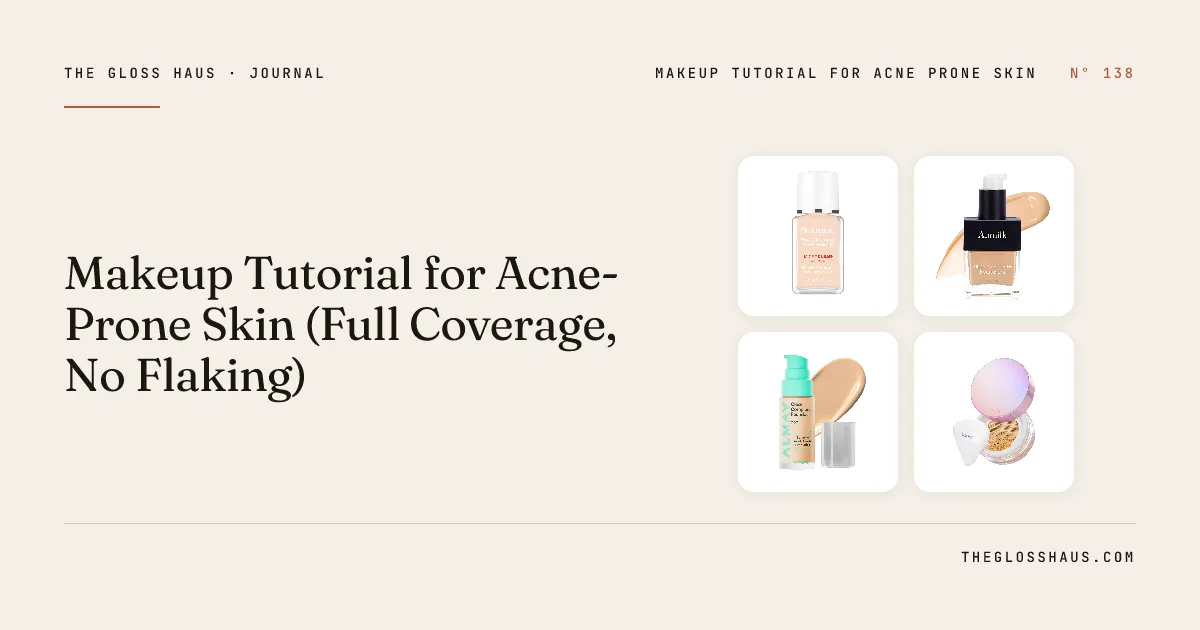
Makeup Tutorial for Acne-Prone Skin (Full Coverage, No Flaking)
Navigating the intersection of coverage and treatment requires a shift in mindset. You are not merely hiding imperfections; you are managing a complex biologica
Read routine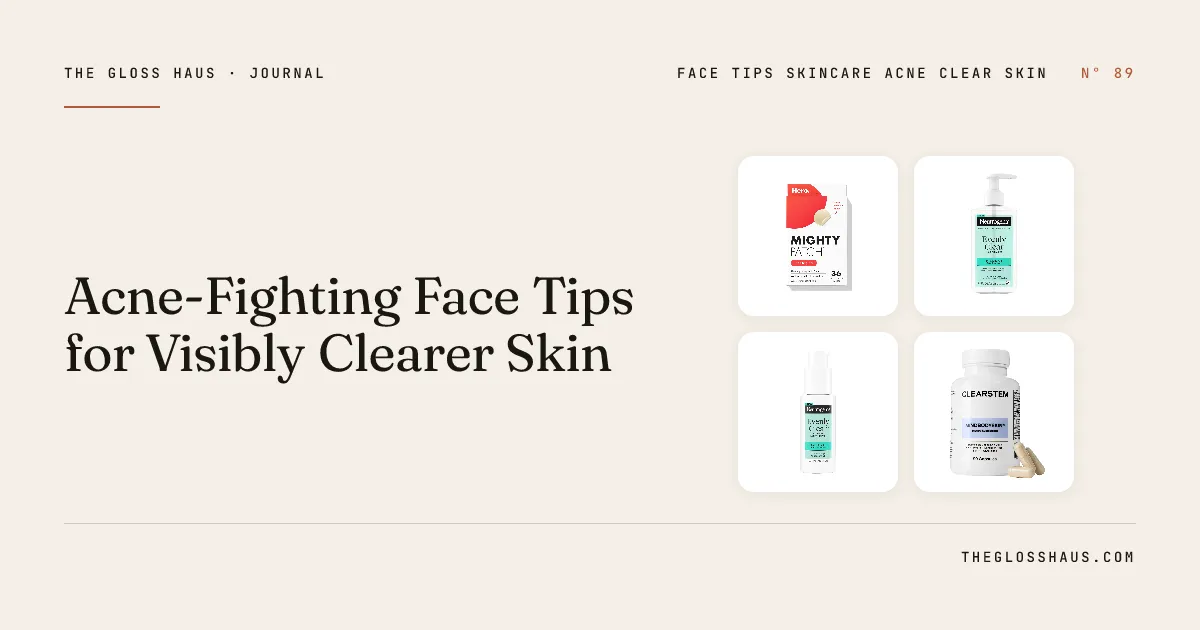
Acne-Fighting Face Tips for Visibly Clearer Skin
Acne is often misunderstood as a surface-level issue, but the reality involves complex biological processes occurring deep within the follicle. Inflammation, ex
Read routine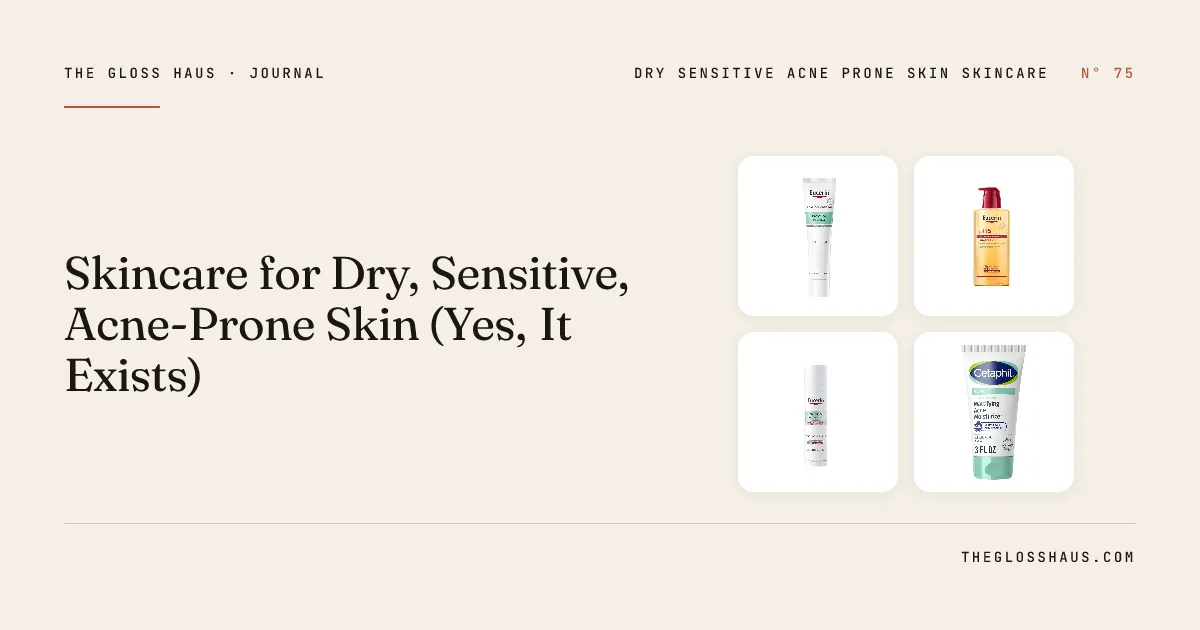
Skincare for Dry, Sensitive, Acne-Prone Skin (Yes, It Exists)
There is a persistent myth that acne requires aggressive drying agents. We are often told to strip the skin, to kill bacteria with harsh alcohols, and to peel a
Read routine